Introduction
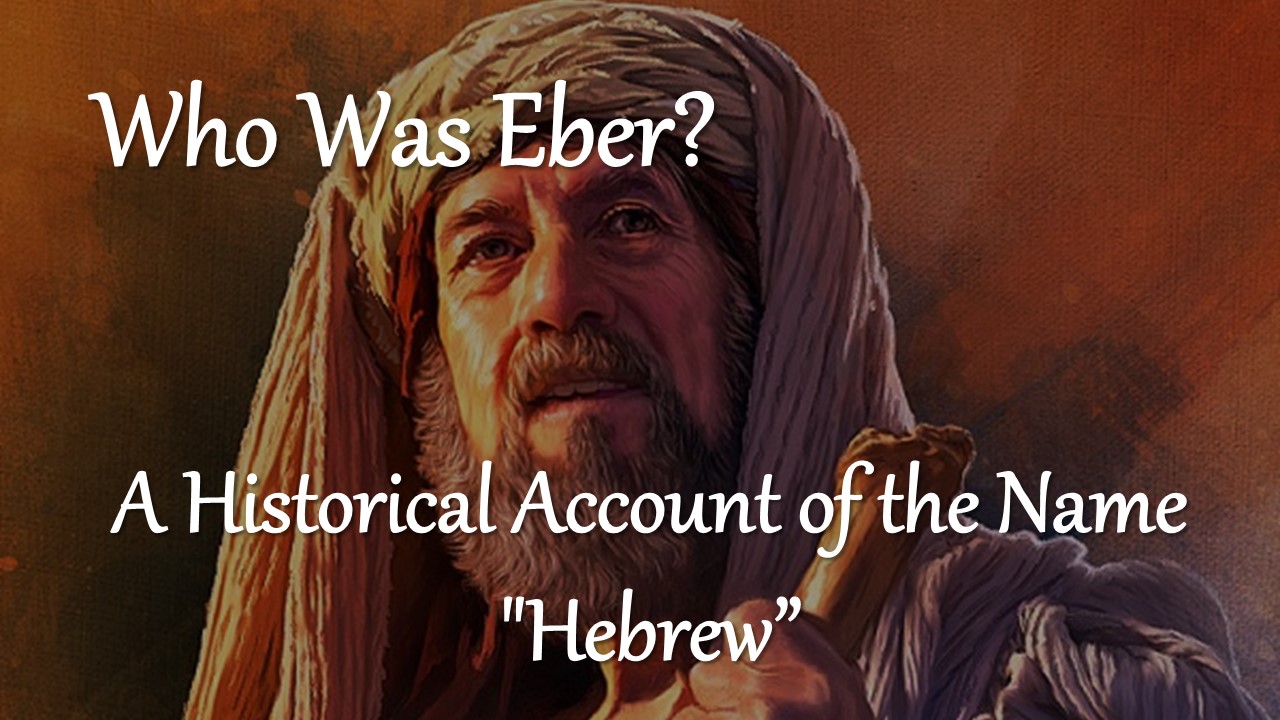
Eber is a significant figure in the Bible, specifically within the genealogies found in the Book of Genesis. He is an ancestor of the Hebrew people, and his name is believed to be the root of the term “Hebrew.”
As a matter of fact, the first time the word “Hebrew” is used can be found regarding Abram in Genesis 14:13 And there came one that had escaped, and told Abram the Hebrew; for he dwelt in the plain of Mamre the Amorite, brother of Eshcol, and brother of Aner: and these were confederate with Abram.
This article explores the historical account of Eber and the reasons why the Hebrews are named after him.
Genealogy of Eber
Eber, also known as Heber, is mentioned in the genealogies listed in Genesis 10 and Genesis 11. He is the great-grandson of Shem, one of Noah’s three sons. According to Genesis 10:24, Eber is the son of Salah.
The genealogy continues in Genesis 11:14-17 And Salah lived thirty years, and begat Eber: (15) And Salah lived after he begat Eber four hundred and three years, and begat sons and daughters. (16) And Eber lived four and thirty years, and begat Peleg: (17) And Eber lived after he begat Peleg four hundred and thirty years, and begat sons and daughters.
The Lineage of Shem
The lineage of Shem is of great importance because it connects to many key figures in the Bible, including Abraham. Shem’s descendants are often associated with the Semitic people, or called “Semites”. According to Jewish tradition, Shem’s descendants were responsible for spreading monotheism and ethical teachings. Eber stands out as a pivotal link within this lineage.
Eber’s Descendants
Eber had two sons, Peleg and Joktan. Genesis 10:25 And unto Eber were born two sons: the name of one was Peleg; for in his days was the earth divided; and his brother’s name was Joktan.
Peleg’s lineage leads directly to Abraham, making Eber an integral ancestor of the Hebrew nation. The name Peleg means “to divide”. The division mentioned in this verse is often interpreted as the division of languages at the Tower of Babel (Genesis 11:1-9). This is also believed by many to be when God separated the continents one from another, or “Pangea” as it’s called.
The Origin of the Name “Hebrew”
The term “Hebrew” is believed to derive from the name Eber. The Hebrew word “Ivri” is thought to mean “descendant of Eber” or “one who crosses over.” The etymology, or historical origin, of this word is supported by various linguistic and historical records.
Jewish tradition also holds that the name “Ivri” signifies Abraham’s crossing over the Euphrates River into Canaan, symbolizing a journey of faith and obedience to God.
The Significance of “Crossing Over”
The concept of “crossing over” is significant in the context of the Hebrews. Abraham, a descendant of Eber, is often described as a wanderer who crossed over from Mesopotamia to the land of Canaan. This act of migration and crossing geographical boundaries is emblematic of the Hebrew experience:
Genesis 12:4 So Abram departed, as the LORD had spoken unto him; and Lot went with him: and Abram was seventy and five years old when he departed out of Haran.
The Jews would later cross over the Jordan River into the Promise Land, under the leadership of Joshua, the successor to Moses. It’s interesting to note that the name Joshua, or Yeshua in Hebrew, is the same name as Yeshua HaMaschiac, or Jesus Christ.
So, we see that the meaning of Eber’s name, “one who crosses over”, or Hebrew, could have been intended by God to first signify the crossing over of Abram from Mesopotamia into Canaan. It could then have been intended by God to signify Eber’s descendants crossing over the Jordan River into their earthly Promise Land. And it could have been intended by God today to signify those who cross over into God’s eternal Promise Land by placing their faith in Jesus Christ!
Conclusion
Eber’s name and legacy are preserved through his descendants and the continued use of the term “Hebrew.” His position in the genealogies situates him as a foundational figure in the ancestral history of the Israelites. Jewish historical references also emphasize Eber’s role in maintaining the language and traditions of the pre-Babel world; before his descendants were ever called “Hebrew”.
Eber’s role in the Bible is crucial for understanding the origins of the Hebrew people. The narrative of Eber and his descendants offers profound insights into the identity and heritage of the Hebrew people! His genealogical importance and the historical connection between his name and the term “Hebrew” underscore his significance in biblical history!
 Pastor Fulmer's Blog
Thanks for sharing this fascinating information, Pastor Jason.
LikeLike
You are welcome and thank you as always for reading!
LikeLike